WHY DO ANTI-AGING PRODUCTS CONTAIN COLLAGEN?

Although skin aging is a natural consequence of time, environmental factors, lifestyle habits and biological changes can accelerate this process. Fine lines, loss of elasticity, a dull complexion and a reduction in skin volume are among the most common signs of aging. For this reason, skincare products designed for anti-aging purposes prioritize ingredients that help support the skin’s structure. One of the ingredients frequently seen in these formulations in recent years is collagen. So, why is collagen so commonly used in anti-aging products?
Collagen is the skin’s fundamental building block:
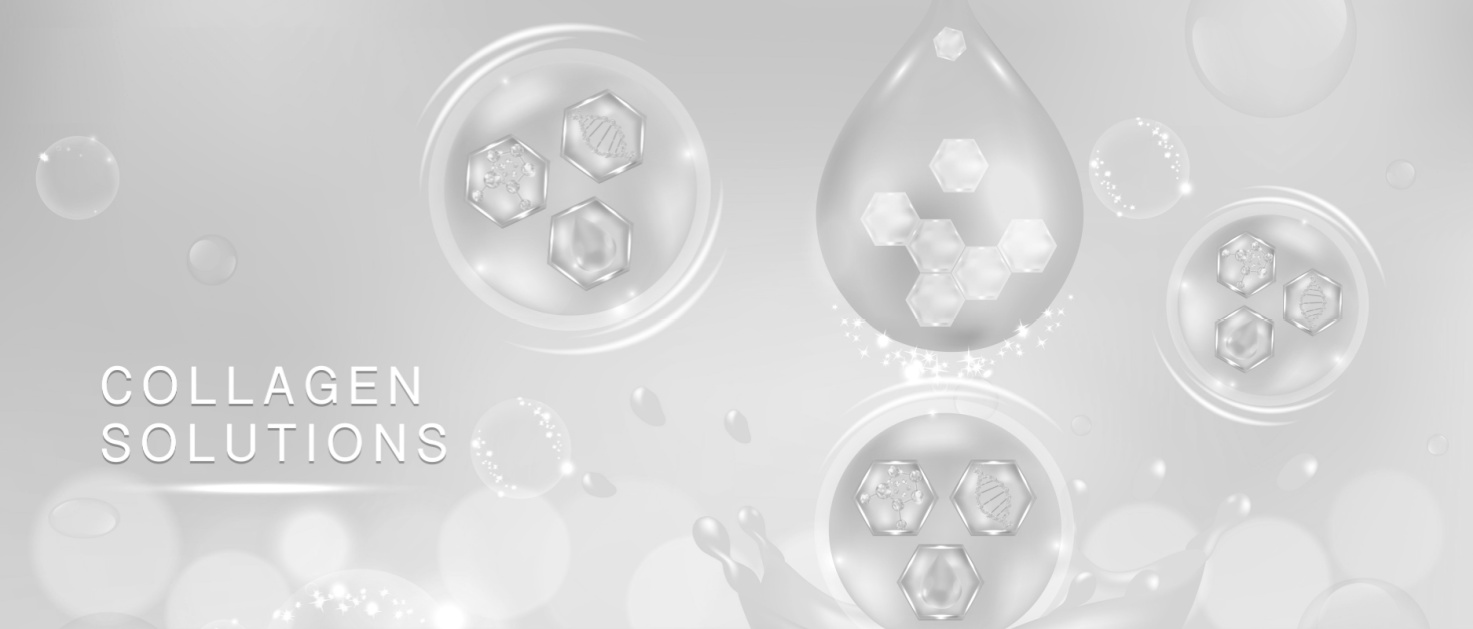
Collagen is the most abundant protein in the human body and plays a crucial role in maintaining the skin’s firmness, elasticity and plump appearance. It acts as a structural support framework for the skin tissue. In younger years, the body naturally produces high levels of collagen. However, as age progresses, this production gradually slows down. A decline in collagen levels can typically be observed starting from the mid-20s and early 30s. This reduction may lead to the skin gradually appearing thinner, drier and more sensitive.
It aims to reduce the appearance of aging signs:
The primary goal of anti-aging products is to support a healthier and more balanced-looking complexion. Products containing collagen are often preferred, especially for skin experiencing loss of elasticity. This is because collagen-supported formulations are considered among the ingredients that may help the skin appear plumper and smoother. With regular use, they are thought to help reduce the visible appearance of fine lines.
It may help support the skin’s moisture retention capacity:
One of the most common concerns in aging skin is moisture loss. Reduced hydration levels can make the skin look more tired and lifeless. Collagen-containing products are often formulated together with hyaluronic acid, peptides and moisturizing agents. This combination may help support the skin’s moisture balance. A well-hydrated complexion is generally associated with a more vibrant and youthful appearance.
It may offer support against environmental stressors:
Sun exposure, air pollution, stress and irregular lifestyle habits are among the external factors that can accelerate the skin’s aging process. In particular, UV rays can weaken collagen fibers over time. For this reason, anti-aging products focus not only on hydration but also on supporting the skin barrier. Collagen-based skincare products are often regarded as supportive ingredients that may help reduce the appearance of damage caused by environmental stressors.
It is part of a multi-layered skincare approach:
Modern skincare no longer focuses on a single concern. Today’s anti-aging formulations aim to address multiple needs simultaneously, such as hydration support, improved elasticity appearance, skin barrier reinforcement and a more radiant complexion. Collagen stands out as an important component of this multi-functional approach. As a result, collagen can be found in a wide range of products, including serums, night creams, sunscreens and masks.
In conclusion, collagen is widely used in anti-aging products because it is directly related to the skin’s natural structure. When combined with a consistent skincare routine, sun protection, balanced nutrition and healthy lifestyle habits, it may contribute to more effective outcomes for overall skin health.
By incorporating CollaSel into your products, you can provide collagen, one of the essential building blocks for the human body, to your consumers and support their health.