THE RELATIONSHIP BETWEEN BONE HEALTH AND COLLAGEN IN ADVANCED AGE

As age progresses, bone health becomes one of the most critical physiological factors directly affecting overall quality of life. From daily mobility to postural disorders, from the risk of falls to chronic pain, many aspects are closely linked to the strength and integrity of the skeletal structure. At this point, bone health is often evaluated solely in terms of mineral density. However, collagen is one of the fundamental building blocks of bone tissue and despite frequently being overlooked, is a component of vital importance.
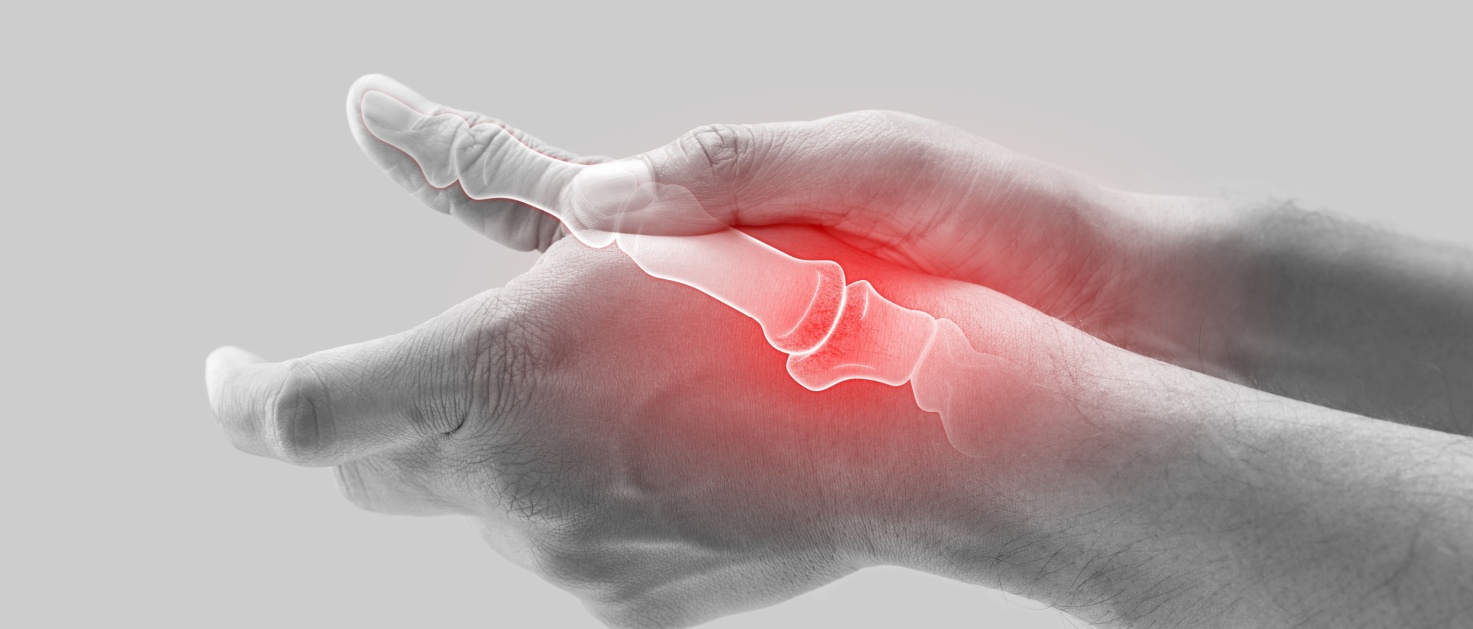
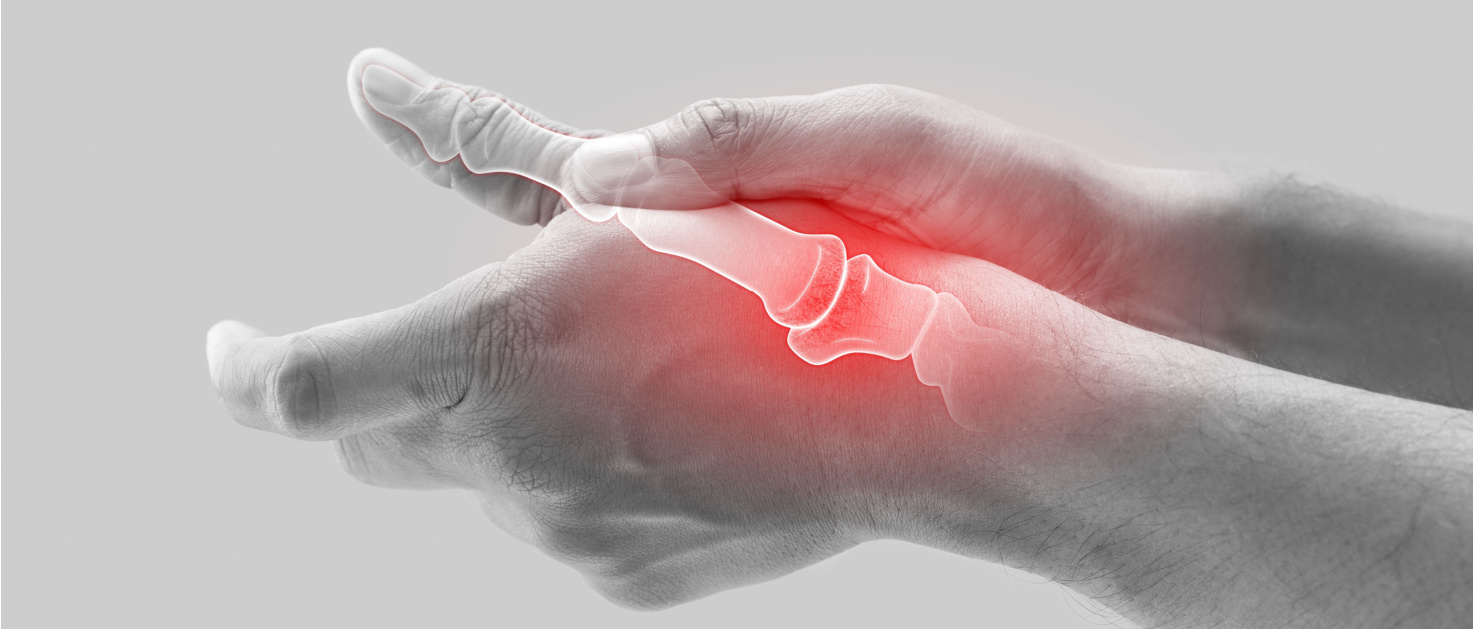
Contrary to common belief, bones are not rigid and lifeless structures but dynamic, living tissues that are continuously renewed. Approximately one-third of this structure consists of organic components and collagen fibers make up the majority of this organic matrix. Collagen serves as a framework that provides bones with flexibility and increases their resistance to impact. Minerals, on the other hand, are deposited onto this collagen framework, giving bones their hardness. Therefore, a healthy bone structure depends on maintaining a balanced relationship between collagen and minerals.
With advancing age, the body’s natural production of collagen declines. This situation lays the groundwork for structural weakening not only in the skin but also in bone tissue. A reduction in collagen levels may cause bones to lose flexibility and become more brittle. For this reason, when assessing bone health in later life, not only minerals such as calcium and vitamin D, but also the condition of the collagen framework should be addressed from a holistic perspective.
The effect of collagen on bone health is directly related to the bone’s load-bearing capacity. A strong collagen matrix distributes the forces applied to the bone more evenly, helping to prevent the formation of microcracks. This mechanism is of great importance, especially considering the increased risk of falls and trauma associated with aging. The discussion around collagen support is fundamentally based on this structural function. The issue extends beyond aesthetics to the preservation of mobility and the duration of independent living.
Approaches that support bone health in advanced age require a holistic lifestyle perspective rather than focusing on a single component. Balanced nutrition, regular physical activity, exposure to sunlight and the conscious consideration of the building blocks required by bone tissue are the core elements of this process. Within this comprehensive approach, collagen is regarded as a complementary factor that supports the flexibility and resilience of bone tissue.
;
In summary, collagen is a significant component that affects bone health in advanced age, not only indirectly but also at a structural level. The role it plays in preserving durability and long-term integrity alongside bone hardness places collagen at a central point in discussions of bone health. From a scientific perspective, collagen deserves to be regarded as one of the body’s balancing mechanisms against the natural effects of aging. As with all supplements, do not forget to consult your doctor before starting regular use of collagen supplements.
By incorporating CollaSel into your products, you can provide collagen, one of the essential building blocks for the human body, to your consumers and support their health.